
 Buscar...
 English
 Español
 日本語
日本語
 한국어
한국어
 عربى
عربى
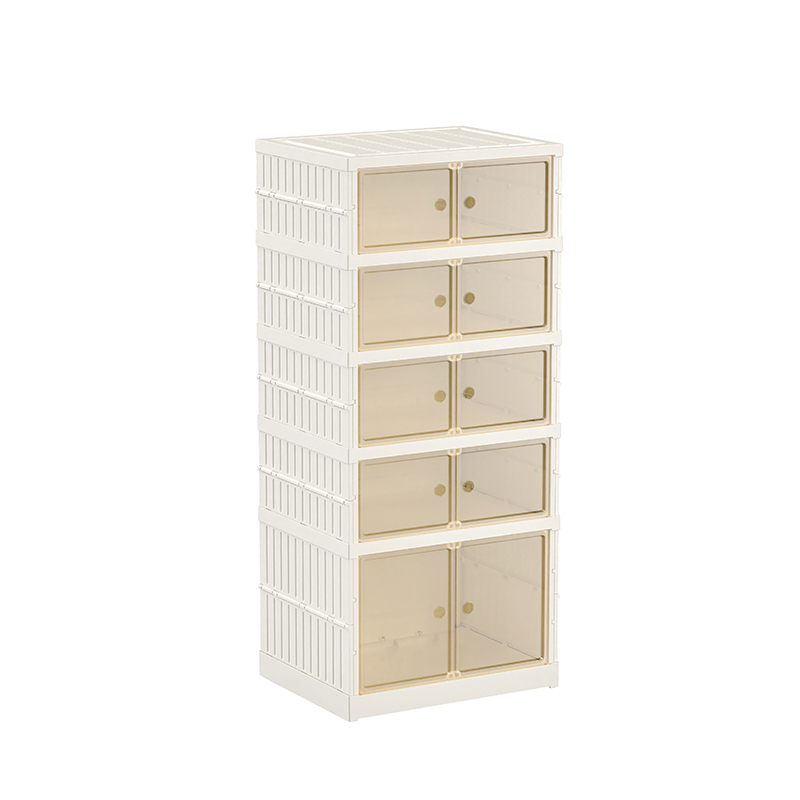
Gabinete de almacenamiento plegable multiusos de 6 niveles

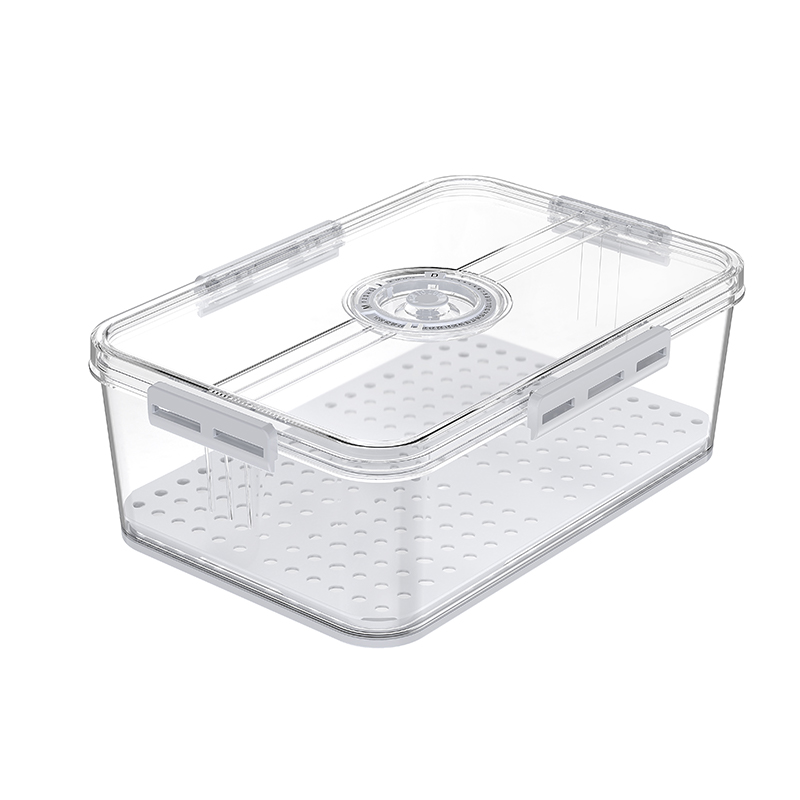
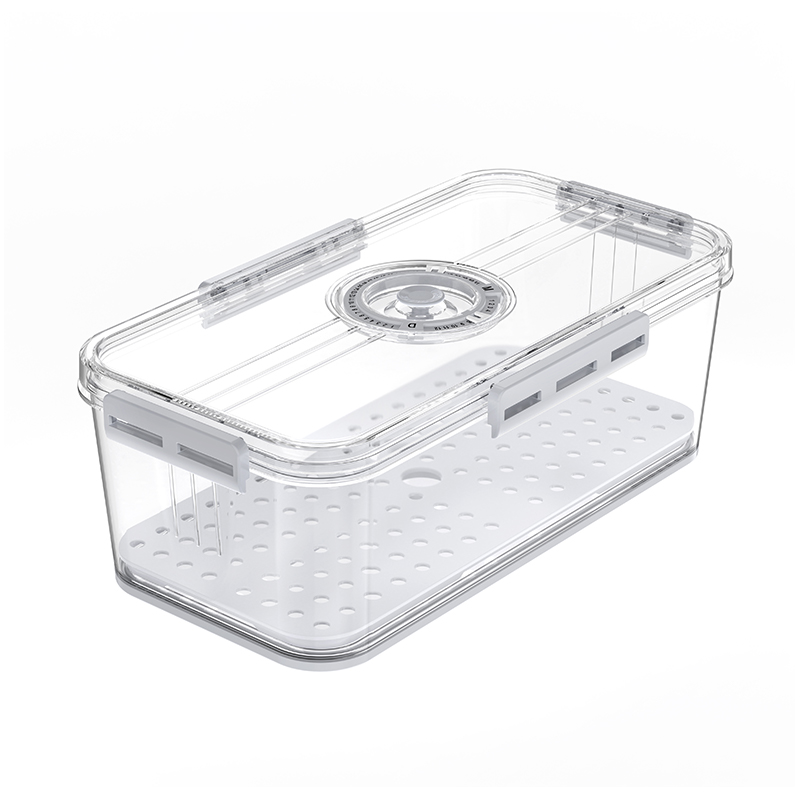
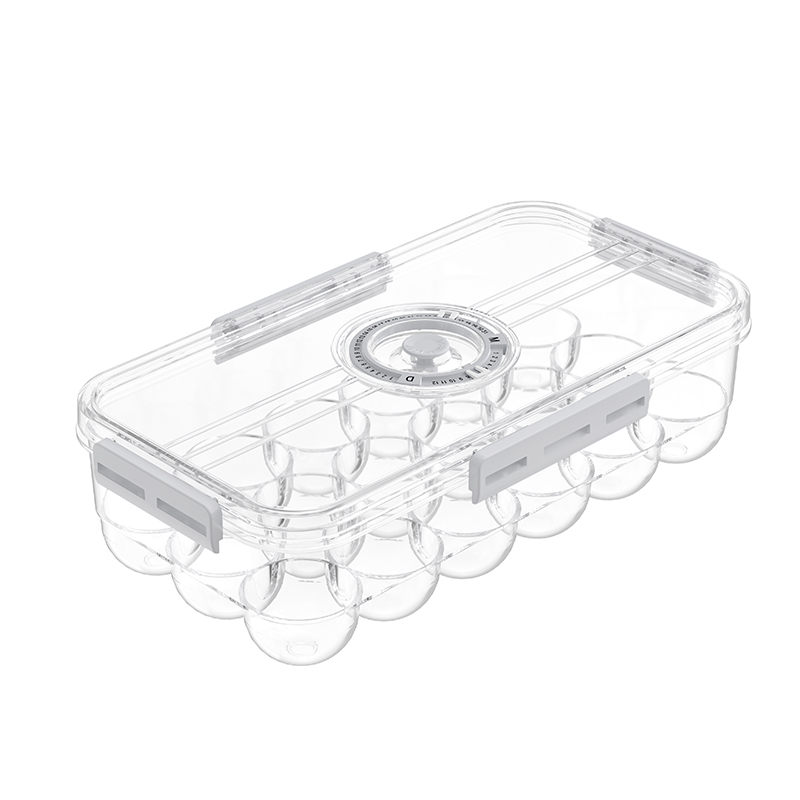
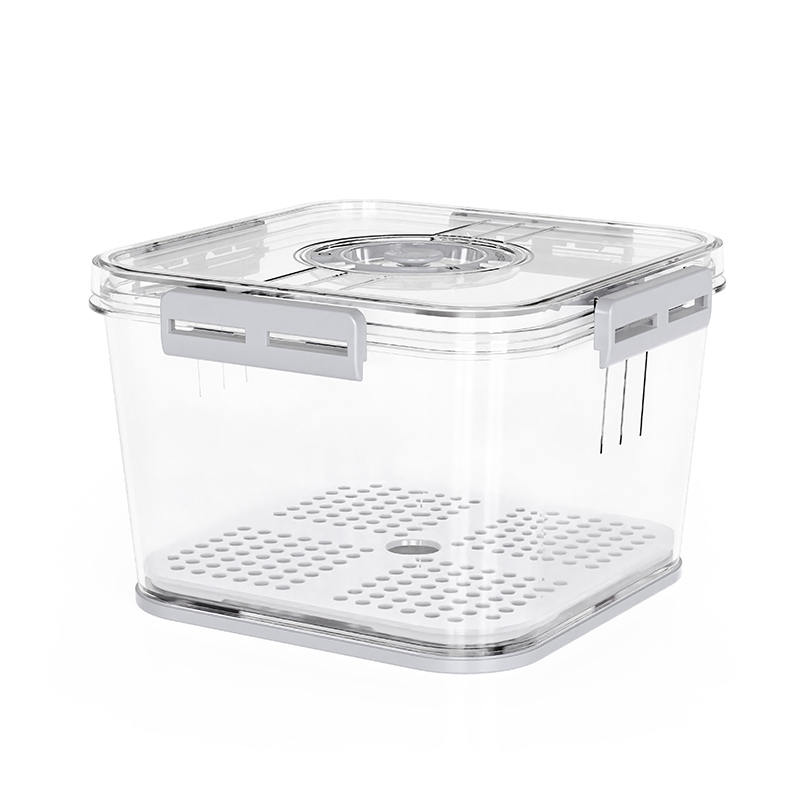
Integrating high-performance kitchen plastic storage vessels provides an indispensable, scientifically optimized solution for extending food shelf life, minimizing oxidative degradation, and preventing microbial cross-contamination within commercial and residential culinary environments. By utilizing engineered thermoplastic polymers that comply with strict global food-contact safety standards, these container networks establish an inert physical barrier against gaseous exchange and moisture migration. This material composition delivers a highly durable, lightweight, and shatterproof containment framework that surpasses alternative glass or metal storage units in terms of modular scalability, impact dampening, and cost-effective thermal stability, securing an extension of raw ingredient freshness parameters by up to 300% when managed within managed cold-chain or pantry storage workflows.
In the modern food safety landscape, managing the storage microenvironment requires a careful balance between chemical inertness and structural resilience. Kitchen storage materials must withstand high-temperature dishwasher sanitization cycles, remain flexible at sub-zero freezer temperatures, and completely resist leaching chemical monomers into acidic or high-lipid food matrixes. Opting for precisely manufactured polymer containment over legacy cardboard, porous ceramics, or thin single-use films prevents food spoilage caused by environmental fluctuations. By matching specific food chemical structures to the correct thermoplastic container base, culinary operations can ensure complete safety and optimal resource management.
The utility and safety profiles of kitchen plastic storage components are dictated directly by the underlying chemical synthesis of the thermoplastic resin. Understanding these specific polymer families prevents material cross-contamination and premature mechanical failure.
Polypropylene serves as the structural foundation for microwave-safe kitchen storage due to its high melting point of approximately 165 degrees Celsius. The non-polar, hydrocarbon-based molecular chain of PP grants it high chemical resistance against organic acids, alcohols, and fats. This crystalline structure allows containers to undergo automated steam sanitization and repeated microwave cooking cycles without losing structural integrity or releasing harmful volatile organic compounds into the food matrix.
When glass-like visual transparency is required without the associated risk of brittle fracture, premium kitchen storage units utilize advanced Tritan copolyesters. This material is entirely free from bisphenol A (BPA), bisphenol S (BPS), and all other estrogenic compounds. Its amorphous structure provides exceptional impact resistance and prevents odor absorption or discoloration from high-acid carotenoid foods like tomato-based sauces, which frequently stain lower-tier polymers.
Selecting the correct containment infrastructure requires evaluating long-term operational durability against material costs, thermal constraints, and spatial efficiency. The table below outlines the primary engineering differences between the dominant kitchen containment options.
| Technical Performance Parameter | Kitchen Plastic Storage | Borosilicate Glass Vessels | Stainless Steel Containers |
|---|---|---|---|
| Impact Shatter Resistance | Exceptional (High Elastic Deformation Energy) | Extremely Poor (Brittle Catastrophic Fracture) | High (Prone to Permanent Plastic Denting) |
| Tare Weight Profile Index | Minimal (Optimizes Transport Efficiency) | Extremely High (Increases Operator Fatigue) | Moderate (Denser than Thermoplastics) |
| Electromagnetic Transparency | Absolute (Microwave Reheating Compliant) | Absolute (Microwave Reheating Compliant) | Zero (Causes Hazardous Electrical Arcing) |
| Complex Geometry Adaptability | High (Injection Molded Nesting & Latches) | Low (Requires Separate Material Lids) | Moderate (Stamped Forms Limit Latching Options) |
| Thermal Shock Threshold | High (Gradual Ductile Shift) | Excellent (Resists Heat Stress) | Maximum (No Structural Temperature Limits) |
The engineering analysis highlights the operational flexibility of advanced kitchen plastics in complex culinary environments. While glass and stainless steel perform well in high-temperature conventional ovens, they introduce notable drawbacks in rapid, commercial preparation loops. The brittle nature of glass presents a physical safety risk in high-speed kitchens, and the microwave-blocking characteristics of stainless steel restrict quick reheating setups. Plastic storage units bridge these functional gaps by offering lightweight durability, microwave compatibility, and a uniform design that maximizes storage density.
The preservation efficacy of kitchen plastic storage systems depends significantly on the design of the lid closure mechanism. Preventing food decay requires managing gas exchange and limiting moisture vapor transmission.
Maintaining hygiene standards and preventing flavor transfer requires a disciplined cleaning and deployment protocol across all kitchen polymer assets.
While industrial kitchen plastic storage systems are built for long-term durability, regular exposure to thermal and mechanical extremes will eventually induce material fatigue.
Environmental stress cracking occurs when a plastic container is exposed to chemical surfactants while under structural tension, such as when latches are tightly closed during high-temperature washing. This combination can cause micro-fissures to develop along the corners and hinges. To prevent this failure mechanism, ensure all side latches are completely unclasped and free to flex during washing and thermal sanitization cycles.
Hydrolytic degradation happens when polymers are exposed to boiling water and strong acids over extended periods, which slowly breaks down the chemical bonds in the plastic foundation. This aging process shows up as a cloudy surface appearance or fine hairline cracks across the body. To maximize the working lifespan of the equipment, limit prolonged high-fat boiling cycles to a maximum of 45 continuous minutes, and retire any containers that show visible signs of surface wear or structural cracking.


Parque industrial Zhangqi, ciudad de Cixi, ciudad de Ningbo, provincia de Zhejiang

